


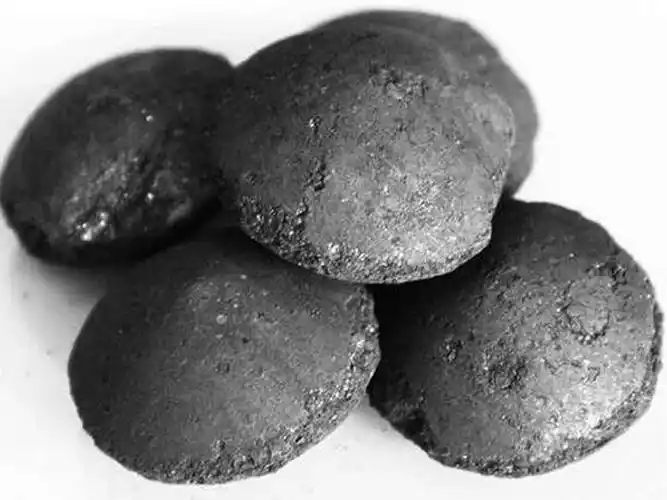
Silicon Carbide Ball
Silicon carbide ball
Silicon carbide balls are solid spherical objects made from silicon carbide,
which is a compound of silicon and carbon with remarkable properties and a wide range of applications.
Chemical Composition and Properties
They are primarily composed of silicon carbide (SiC), which exists in various polytypes such as alpha-SiC and beta-SiC. The purity of silicon carbide in these balls can vary depending on the manufacturing process and intended use. High-quality silicon carbide balls usually have a relatively high purity level, with minimal impurities.
The Specifications of Silicon Carbide Ball
| Grade |
Si (Silicon) |
C (Carbon) |
Fe (Iron) |
S (Sulfur) |
P (Phosphorus) |
Al₂O₃ (Aluminum Oxide) |
CaO (Calcium Oxide) |
MgO (Magnesium Oxide) |
|---|---|---|---|---|---|---|---|---|
| SiC Ball 90 | 90% | 8-10% | ≤ 0.5% | ≤ 0.01% | ≤ 0.01% | ≤ 0.5% | ≤ 0.5% | ≤ 0.5% |
| SiC Ball 92 | 92% | 7-8% | ≤ 0.5% | ≤ 0.01% | ≤ 0.01% | ≤ 0.3% | ≤ 0.5% | ≤ 0.5% |
| SiC Ball 98 | 98% | 2-3% | ≤ 0.5% | ≤ 0.01% | ≤ 0.01% | ≤ 0.2% | ≤ 0.3% | ≤ 0.3% |
| SiC Ball 99 | 99% | ≤ 1% | ≤ 0.5% | ≤ 0.01% | ≤ 0.01% | ≤ 0.1% | ≤ 0.2% | ≤ 0.2% |
| SiC Ball 99.5 | 99.5% | ≤ 0.5% | ≤ 0.2% | ≤ 0.01% | ≤ 0.01% | ≤ 0.1% | ≤ 0.2% | ≤ 0.2% |
Key Components:
- Si (Silicon): The main component of silicon carbide (SiC), which provides its hardness and high thermal conductivity.
- C (Carbon): Carbon is a crucial component, as it combines with silicon to form silicon carbide. The carbon content varies based on the grade.
- Fe (Iron): Silicon carbide balls generally contain low iron impurities, as high iron content can negatively affect performance, especially in high-precision applications.
- S (Sulfur): Sulfur is a contaminant, and its concentration should be kept to a minimum to avoid reducing the material's performance in certain applications.
- P (Phosphorus): Another impurity that should be minimized in SiC balls for industrial applications.
- Al₂O₃ (Aluminum Oxide): Small amounts may be present as impurities. This compound is typically less desirable due to its effect on the material's properties.
- CaO (Calcium Oxide) and MgO (Magnesium Oxide): Both are impurities present in trace amounts, influencing the material's overall performance in high-temperature or corrosion-resistance applications.
Typical Uses:
Silicon carbide balls are often used in applications that require high wear resistance, such as grinding media, bearings, or as a component in high-performance mechanical systems like seals or abrasives.
Physical Properties
High Melting Point
They have a very high melting point, typically around 2,700 °C (4,892 °F), which allows them to withstand high-temperature environments without significant deformation or degradation.
Chemical Resistance
Silicon carbide is chemically inert in many common environments. The balls are resistant to corrosion from acids, alkalis, and various chemicals, making them suitable for use in chemically aggressive applications.
Low Density
Compared to some metals with similar strength and hardness properties, silicon carbide balls have a relatively low density. This characteristic can be advantageous in applications where weight is a concern, such as in some precision mechanical or aerospace applications.
Manufacturing Process
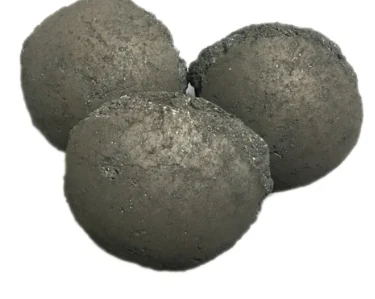
Silicon carbide balls are usually produced through processes like powder metallurgy. First, high-purity silicon carbide powder is prepared. Then, through techniques such as pressing and sintering under high temperature and pressure conditions, the powder is formed into spherical shapes. During the manufacturing process, strict control over parameters like temperature, pressure, and powder quality is maintained to ensure the quality and uniformity of the final products.
Applications
- Grinding and Polishing: They are widely used as grinding media in ball mills for grinding and polishing various materials like ceramics, metals, and minerals. Their high hardness and wear resistance ensure efficient and precise grinding operations.
- Bearings: In high-precision bearings, especially those used in high-speed and high-load applications, silicon carbide balls can be employed. They can reduce friction and wear, improving the performance and lifespan of the bearings.
- Semiconductor Industry: In the semiconductor manufacturing process, silicon carbide balls can be used in some precision equipment for wafer processing and handling due to their excellent chemical resistance and dimensional stability.
- Aerospace and Defense: Due to their ability to withstand high temperatures and harsh environments, they find applications in aerospace and defense sectors, for example, in certain mechanical components of aircraft engines or missile guidance systems.
In summary
silicon carbide balls are valuable industrial products with unique physical and chemical properties that make them indispensable in many fields requiring high-performance materials.
Hot Tags: silicon carbide ball, China silicon carbide ball manufacturers, suppliers, Abundant Tertiary silicon carbide, Hard First grade silicon carbide, First Grade Silicon Carbide, Abundant Secondary silicon carbide, Excellent Secondary silicon carbide, Excellent First grade silicon carbide
Previous
SiC75-80 Silicon CarbideNext
No InformationYou Might Also Like



Send Inquiry