


Ferro Alloys Silicon Slag
Ferro Alloys Silicon Slag
Ferro Alloys Silicon Slag is a by-product that arises during the production of ferroalloys, particularly the manufacturing of ferrosilicon (FeSi), a common alloy used in steelmaking. Silicon slag is produced when silicon is reduced from its ores (like quartz) in the presence of a reducing agent (like coke) in an electric arc furnace.
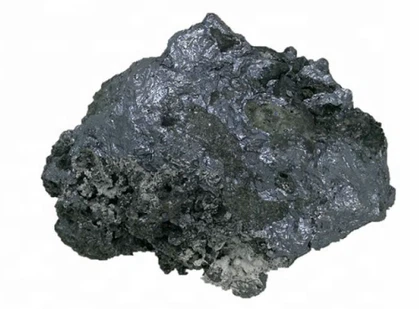
Chemical Composition and Properties
The composition of silicon slag can vary, but typically, it contains:
- Silicon dioxide (SiO₂): This is the main component.
- Iron oxide (Fe₂O₃): Small amounts of iron oxide can also be present.
- Calcium oxide (CaO), magnesium oxide (MgO), and other oxides: These are also found depending on the specifics of the furnace process and raw materials.
- Small amounts of metallic silicon: In some cases, silicon is present in its metallic form, though it is lower than the concentration in the final ferroalloy product.
The Specifications of Ferro Alloys Silicon Slag
| Grade |
Fe (Iron) |
Si (Silicon) |
Al (Aluminum) |
CaO (Calcium Oxide) |
MgO (Magnesium Oxide) |
S (Sulfur) |
P (Phosphorus) |
C (Carbon) |
|---|---|---|---|---|---|---|---|---|
| Si Slag 30 | 40-50% | 28-32% | 2-5% | 20-25% | 2-5% | ≤ 0.05% | ≤ 0.05% | ≤ 0.10% |
| Si Slag 40 | 40-50% | 38-42% | 1-3% | 18-22% | 2-4% | ≤ 0.05% | ≤ 0.05% | ≤ 0.10% |
| Si Slag 50 | 30-40% | 48-52% | 1-2% | 15-20% | 2-4% | ≤ 0.05% | ≤ 0.05% | ≤ 0.10% |
| Si Slag 60 | 25-35% | 58-62% | 0.5-1.5% | 12-18% | 2-5% | ≤ 0.05% | ≤ 0.05% | ≤ 0.10% |
| Si Slag 70 | 15-25% | 68-72% | 0.2-1.0% | 10-15% | 2-5% | ≤ 0.05% | ≤ 0.05% | ≤ 0.10% |
Key Points:
- Si Slag (Silicon Slag) is a byproduct of producing silicon metal, often used in the production of steel and ferroalloys. It contains high amounts of silicon, with varying percentages based on the grade.
- Fe (Iron): This is present in various quantities, depending on the silicon content. Silicon slag typically contains lower iron content compared to other ferroalloys.
- Si (Silicon): The defining element of silicon slag, which is used for deoxidizing steel and in alloying processes.
- Al (Aluminum): A common impurity in silicon slag, though its content is typically lower in high-grade slag.
- CaO (Calcium Oxide) and MgO (Magnesium Oxide): These are present as part of the slag's chemical composition, contributing to its basicity and use in steelmaking.
- S (Sulfur) and P (Phosphorus): Impurities that are kept at minimal levels to avoid contamination of the steel and ferroalloy products.
- C (Carbon): Generally present in trace amounts, as high carbon content can reduce the slag's effectiveness in certain applications.
Production Process
- The production of ferroalloys, specifically ferrosilicon, involves the reduction of silica (SiO₂) using carbon (C) in the form of coke. This is done in a high-temperature furnace, typically an electric arc furnace (EAF) or a blast furnace.
- During the process, silicon and iron are combined to form ferrosilicon (FeSi), and a residual waste by-product called silicon slag is generated.
- Silicon slag consists mainly of silicon dioxide (SiO₂), along with other impurities that do not form part of the alloy.
Applications of Silicon Slag

- Steelmaking: Silicon slag can be used in the production of steel as a fluxing agent. It can help in controlling the slag chemistry in steelmaking, enhancing the overall steel quality.
- Construction Industry: Due to its relatively high silica content, it can be used as a substitute for silica sand in concrete or as a pozzolanic material (which reacts with calcium hydroxide in concrete).
- Agriculture: Some research has indicated that silicon slag can be used as a soil conditioner, improving soil quality by increasing silica content, which can enhance plant growth.
- Road Construction: In some cases, silicon slag can be used in road base material, providing it with added durability and strength.
Environmental Considerations
- Silicon slag is generally considered an industrial waste product, but if properly processed, it can be recycled and used in various applications, as mentioned.
- The recycling of silicon slag helps reduce environmental pollution and minimizes waste.
Ferroalloy Industry
- In the ferroalloy industry, ferrosilicon is important because it adds silicon to steel, which improves the steel's strength, hardness, and resistance to oxidation. The slag from this process is a valuable by-product if treated and used effectively.
Ferro alloys silicon slag is a by-product of ferroalloy production, especially during the production of ferrosilicon. While it is often considered waste, it has multiple potential uses in industries like steelmaking, construction, and agriculture. Proper management and recycling of this slag can lead to both environmental benefits and cost savings for industries.
Hot Tags: ferro alloys silicon slag, China ferro alloys silicon slag manufacturers, suppliers, Precision made Silicon Briquette 65, Fine textured Silicon Briquette 75, High quality low carbon Ferro Chrome, Superb High purity ferrosilicon, Utilizable Silicon slag 55, Recyclable Silicon slag 60
Previous
Silicon Slag 45Next
No InformationYou Might Also Like



Send Inquiry