


Ferrosilicon is an iron alloy composed of iron and silicon.
- It is smelted in an electric furnace using coke, steel scraps, and quartz (or silica) as raw materials.
- It is widely used in the steelmaking industry, foundry industry, and ferroalloy industry.
- In steelmaking, it is used as a deoxidizer and alloying agent; in cast iron, it is used as an inoculant and nodulizer; and in ferroalloy production, it is used as a reducing agent.
- At present, domestic ferrosilicon is mainly used in steelmaking and the production of metallic magnesium.
Manganese-silicon is a ferroalloy with a wide range of applications and a large output.
- Using manganese ore (including high-manganese slag), coke, silica, etc. as raw materials, its main use is in steelmaking.
- During steelmaking, it is mainly used as a composite deoxidizer and alloying agent, and to some extent, it is also used as a desulfurizing agent.
- Ferrosilicon and manganese-silicon are the most widely used ferroalloys in the steelmaking process.

The biggest differences between them are as follows:
First, the production raw materials are different.
Second, the usage purposes are different.
Ferrosilicon is only used as a deoxidizer, while manganese-silicon has the effects of both deoxidation and desulfurization. In addition, manganese-silicon can also effectively purify molten steel.
Third, the distribution of production areas is different.
The production areas of ferrosilicon are mainly distributed in the northwest region, and the flow is mainly from the northwest to the southeast, to major steel-producing provinces such as Hebei, Liaoning, and Jiangsu. The production areas of manganese-silicon are distributed at both the northern and southern ends, showing a pattern of transportation from the north and south to the middle.
■ Cost Composition
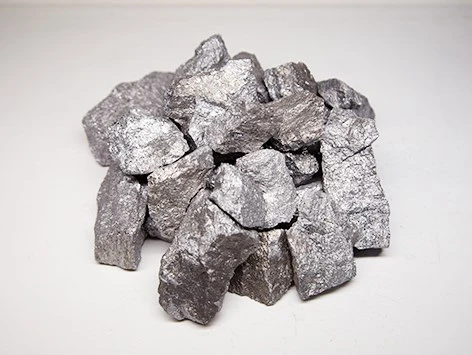
(1) Cost Components of Ferrosilicon
- The main raw materials for producing ferrosilicon are silica, semi-coke, and iron oxide scale, etc. Among them, silica is the main source of the silicon element (Si) in ferrosilicon; semi-coke is mainly used as a carbonaceous reducing agent to reduce the silicon element in silica; iron oxide scale is mainly used as an iron-containing material to adjust the composition of ferrosilicon, especially the content of the iron element, and also has the function of promoting the reduction of silicon dioxide in silica.
- The production of 1 ton of ferrosilicon = [1.8 tons of silica + 8,000 kWh of electricity + 1 ton of semi-coke + 0.2 tons of pellets] * 1.13 (value-added tax) + depreciation of 50 + other costs of 200
- The current cost of ferrosilicon is about 8,000 yuan per ton. The bidding price this week has risen to 8,850 yuan per ton for cash on delivery. Next, individual steel mills in the southern and eastern regions of China are expected to enter the market to replenish inventories. According to the current futures market price, the expected bidding price will be around 9,000 yuan per ton.
(2) Cost Components of Manganese-Silicon
- The main raw materials for producing manganese-silicon alloy are manganese ore (including high-manganese slag), coke, silica, etc. Among them, the cost of manganese ore accounts for about 60% of the production cost of manganese-silicon. Its cost proportion is as follows:
- The production of 1 ton of manganese-silicon = [2 tons of manganese ore + 0.75 tons of high-manganese slag + 0.26 tons of silica + 0.55 tons of coke + 4,000 kWh of electricity] * 1.13 (tax) + 50 (depreciation) + 200 (other costs)
- The current cost of manganese-silicon is about 7,000 - 7,500 yuan per ton. The performance of manganese ore before the festival has gradually stabilized. With the entry of overseas resources after the price reduction, the cost of merchants holding ore has been slightly relieved. Whether the price can improve still depends on market supply and demand.

■ Factors Affecting the Prices of Ferrosilicon and Manganese-Silicon
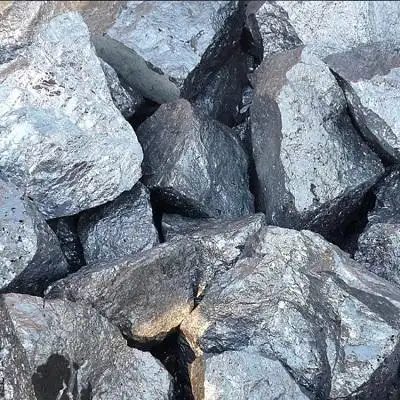
(1) Factors Affecting the Price of Manganese-Silicon
- The price of manganese ore. Among the main varieties of ferroalloys such as manganese, chromium, and silicon, except that silica has abundant domestic resources and low prices, due to factors such as low domestic grade, high mining cost, and reserves of manganese ore, about one-third of manganese ore needs to be imported, and manganese ore accounts for a large proportion in the production cost of manganese alloys. China is extremely short of chromium ore resources and basically relies entirely on imports, and chromium ore accounts for a large proportion in the cost structure of ferrochromium.
- Electricity charges and coke prices. The production cost of ferromanganese alloys is mainly composed of the procurement costs of manganese ore, electricity, and coke. Among them, the cost of manganese ore accounts for about 55% - 60%, electricity charges account for about 20% - 30%, and coke costs account for about 10% - 15%. In addition, when many enterprises produce ferromanganese alloys, in addition to using domestic manganese ores with low phosphorus, low iron, low sulfur, and low silicon, in order to improve the furnace feed grade of raw materials, increase the recovery rate of manganese elements, reduce power consumption and production costs, they need to purchase some imported ores and domestic ores in a certain proportion for smelting.
(2) Factors Affecting the Price of Ferrosilicon
- Prices of raw materials. Ferrosilicon is an iron alloy synthesized through processing with silicon, iron, and coke as raw materials, and its price is naturally affected by the prices of raw materials such as iron, silicon, and coke. When the prices of raw materials rise, the cost of synthesizing ferrosilicon will increase, and then the price of ferrosilicon will also rise accordingly.
- Ferrosilicon production volume. The production volume of ferrosilicon determines the supply volume of ferrosilicon on the market, which will thus affect the market price of ferrosilicon.
- Import and export volumes. The amount of ferrosilicon imported and exported in China will also affect the level of domestic ferrosilicon prices.
- National policies. A series of relevant policies issued by the state will also affect the price of ferrosilicon, such as environmental protection policies, import and export tariffs on ferrosilicon, etc.
You Might Also Like


